Book a tour
Menu
Founding families: 5% off, rates locked through August 2029 →
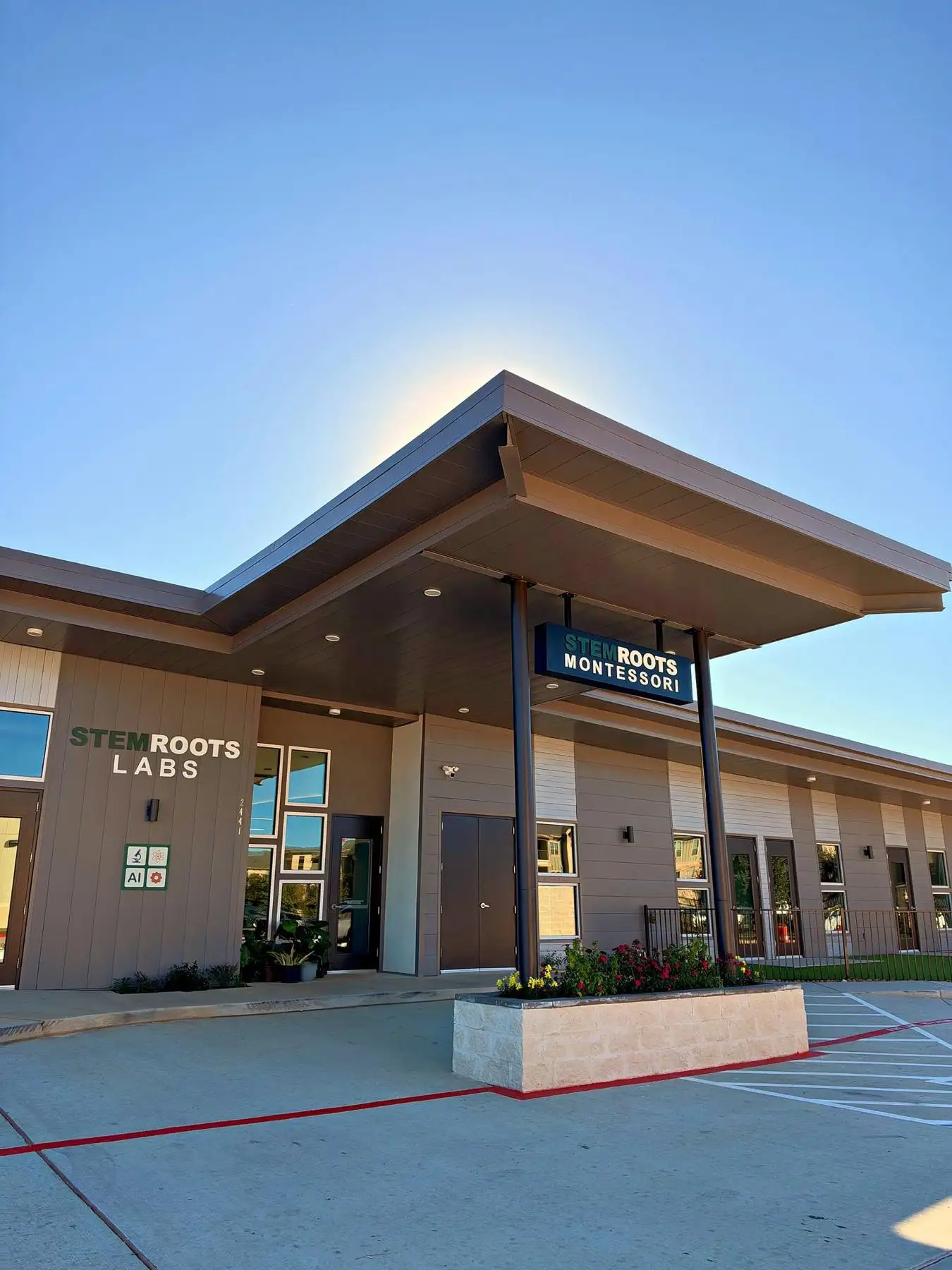
The STEMROOTS entrance, looking up at the canopy and sign
Our approach

Montessori, nature and STEM, in one school day.

Your child wants to do it "by myself," then asks why the rain runs downhill. We make room for both: growing independence and big, hands-on questions.

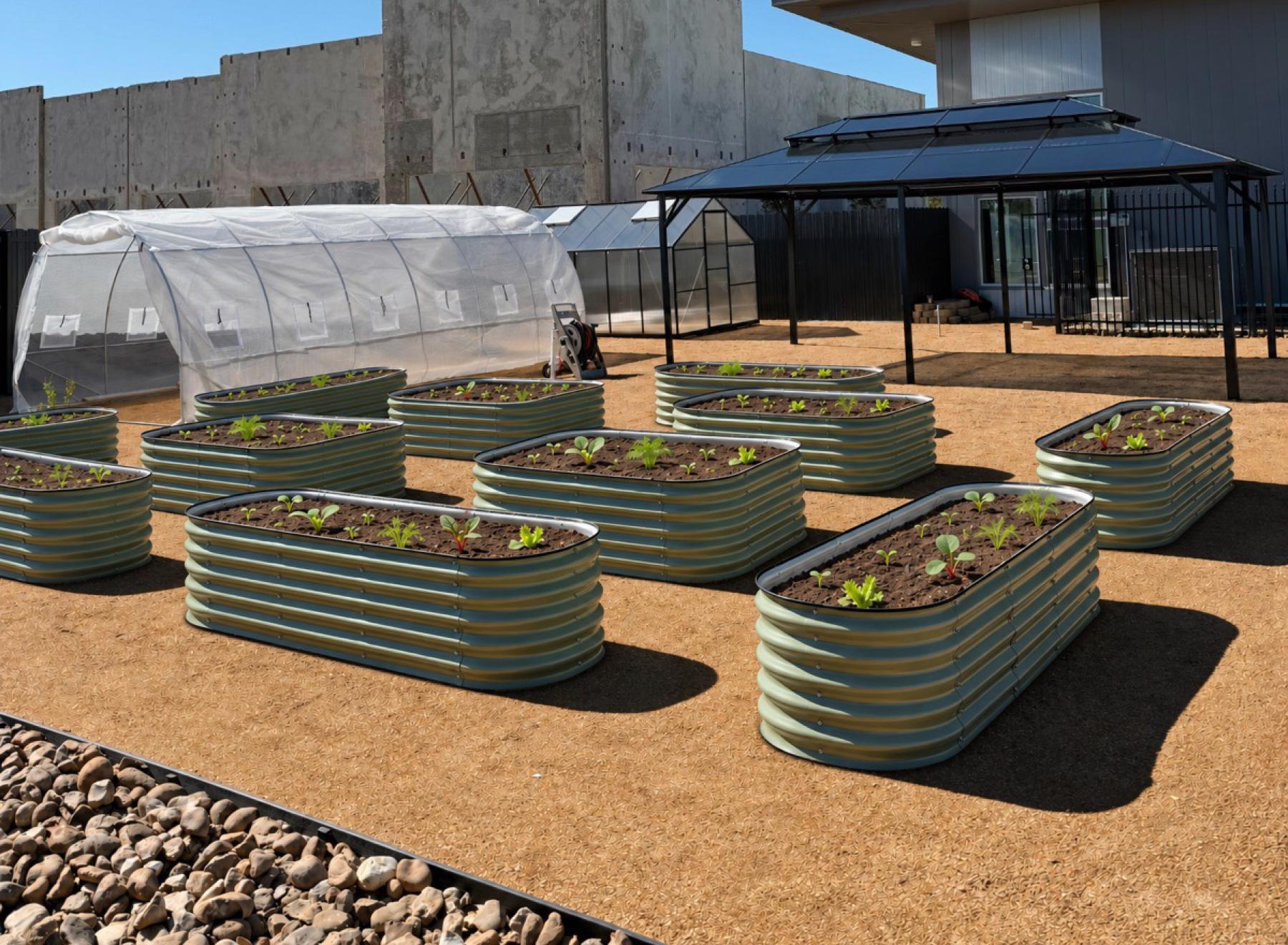
Our raised garden beds and greenhouses
Our garden, ready for January

Why our founders built this school.

“This school is our life’s work. We opened our first Montessori school in 1995, when our own boys were small, because we wanted it for them. Thirty years later, we built the school we always wished we could: Montessori at the heart of it, a garden and greenhouse right outside, and a real maker lab down the hall. We’re independent, so every decision is made here, by the two of us, for the children in this building.”

Ms. Pari and Dr. Murad

Founders

Four ways to learn, from the classroom to the garden.

We call this the STEMROOTS Method: four pieces that work as one, not four separate programs.

Rooted in Montessori

Children choose their own work from low, open shelves. Letters cut from sandpaper, traced with a finger, come before a pencil. Buttoning a dressing frame comes before a real coat. Children learn from each other: in their own room, and side by side with older and younger children in the garden and the lab. Our rooms are Infant (6 weeks – 18 months), Toddler (18 months – 3 years), and Preschool and Pre-K (3 – 5).

Guided by play

Play is how young children test ideas, use words, take turns and imagine. A block tower that keeps falling is a lesson in engineering. A pretend café is a lesson in language and turn-taking. We treat both as real work.

Grounded in nature

Outside, a seedling, a shadow or a puddle becomes a reason to notice more closely. Every class goes outside twice a day, weather allowing. The school has its own greenhouse and garden to grow in.

Driven by wonder

Children ask, predict, try, observe and try again. A recurring "wonder question" gives an investigation a shared thread across the week, and a new one starts each Monday.

A boy playing with a cube on a wooden table
Rooted in Montessori
Two pairs of hands planting a small green seedling
Grounded in nature

Montessori, as Ms. Pari has run it for 30 years.

“A lot of senses develop from birth to six years and early education is very important. This program will cultivate a child’s inner desire to learn. They choose their own work and work at their own pace.” Ms. Pari. In a Montessori room, children choose their work from a set of real materials. A teacher watches, shows a child something new, then steps back while the child practices. The choices sit inside clear, calm limits.

What children work on
A Montessori room has five connected areas. Everyday living: pouring, buttoning, sweeping. The senses: materials that change one thing at a time, like weight or sound. Language: letters traced with a finger, then building words, then real books. Math: beads and rods a child can hold before writing a number. Culture: maps, science and art, woven through the rest.
Spanish, every day
Our toddler and preschool rooms each have a Spanish-speaking teacher. Spanish is part of the ordinary day. It’s included, like everything else.
What to look for on a tour
Labels matter less than your child’s day. Watch how children choose their work and how adults guide them. Ask how play and time outside fit in, and how you’ll hear about progress.
Progress, shared with you
You’ll hear more than “she had a good day.” Photos and notes come through our app as the day happens. Twice a year we use a short development checklist, the Ages & Stages Questionnaire. Each fall and spring you get a written progress report and a sit-down conference with your child’s teacher.
Children learning and making art in a classroom

Inside a Montessori morning.

Long stretches of chosen work, with a teacher close by and nobody rushing.

Life at STEMROOTS

A greenhouse of our own, and a garden to dig in.

Outside, nothing stays the same: wind, puddles, shade, bugs. Every class goes outside twice a day. The building has its own greenhouse and garden.

A greenhouse of our own
A greenhouse inside 4,000 square feet of garden and greenhouse space, shared with STEMROOTS Labs down the hall. Seeds start here, and children can see the whole life of a plant in one place.
Towers that grow without soil
Vertical towers and hydroponic beds grow greens in water instead of dirt. Children can see the roots, check the water and compare a tower plant with one in the ground.
A garden to dig in
A large garden for digging, planting, watering and harvesting, with paths small feet can manage. Mud is expected; send clothes that can take it.
Every season has a question
What changed after rain? Which plant grew faster, the tower or the bed? How does a seed travel? Teachers invite children to look closely and record what they notice.

Growing, at every age.

The same greenhouse and garden, used differently as children grow.

  1. 6 weeks – 18 monthsInfants

    Touching leaves, smelling herbs, watching water move, from a blanket or a stroller in the shade.

  2. 18 months – 3 yearsToddlers

    Carrying a watering can, pressing seeds into soil, pulling a radish, and carrying the harvest inside, carefully.

  3. 3 – 5 yearsPreschool & Pre-K

    Planting and measuring the towers each week. Comparing roots in water and soil. Drawing it in a garden journal, then tasting what they grew.

Children are always in the greenhouse with a teacher. In hot months we use it in the cooler morning hours.

Our garden and yards.

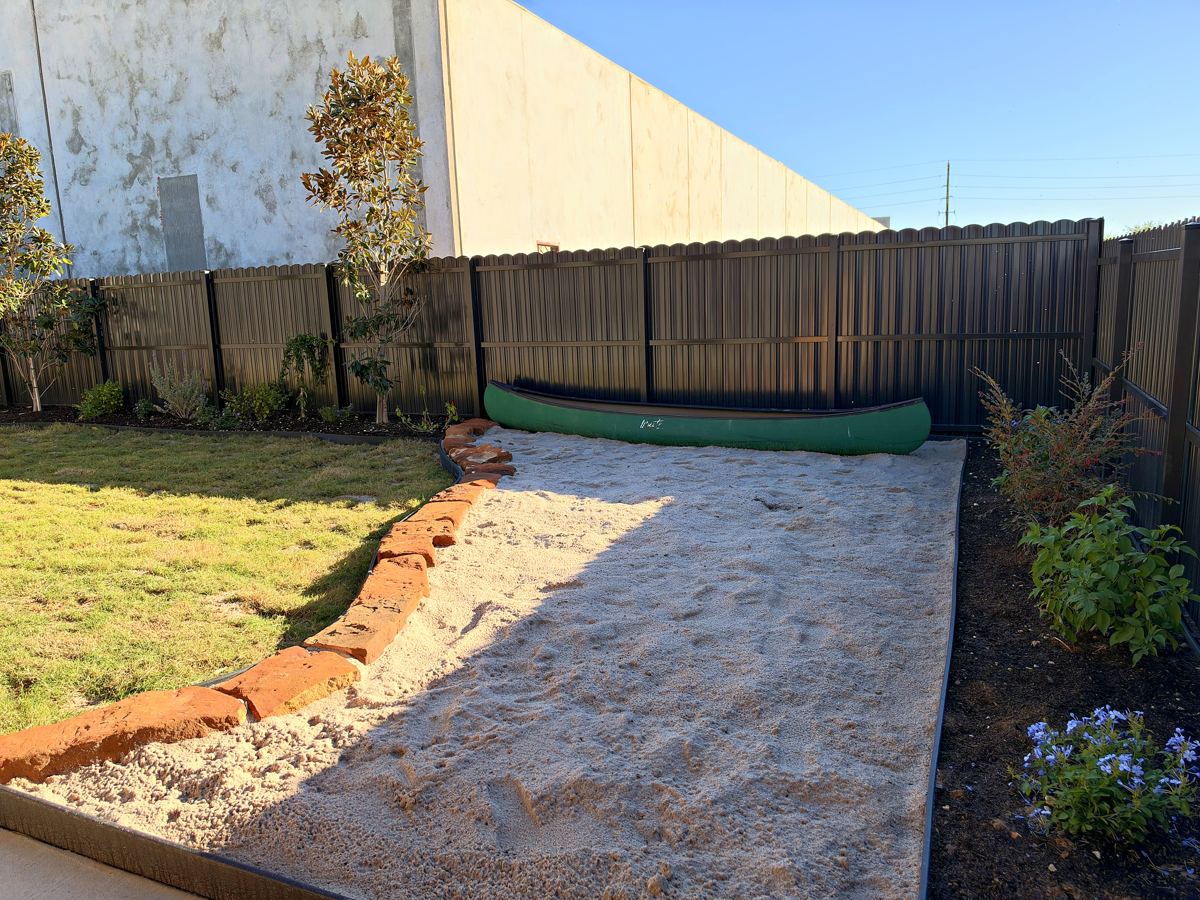
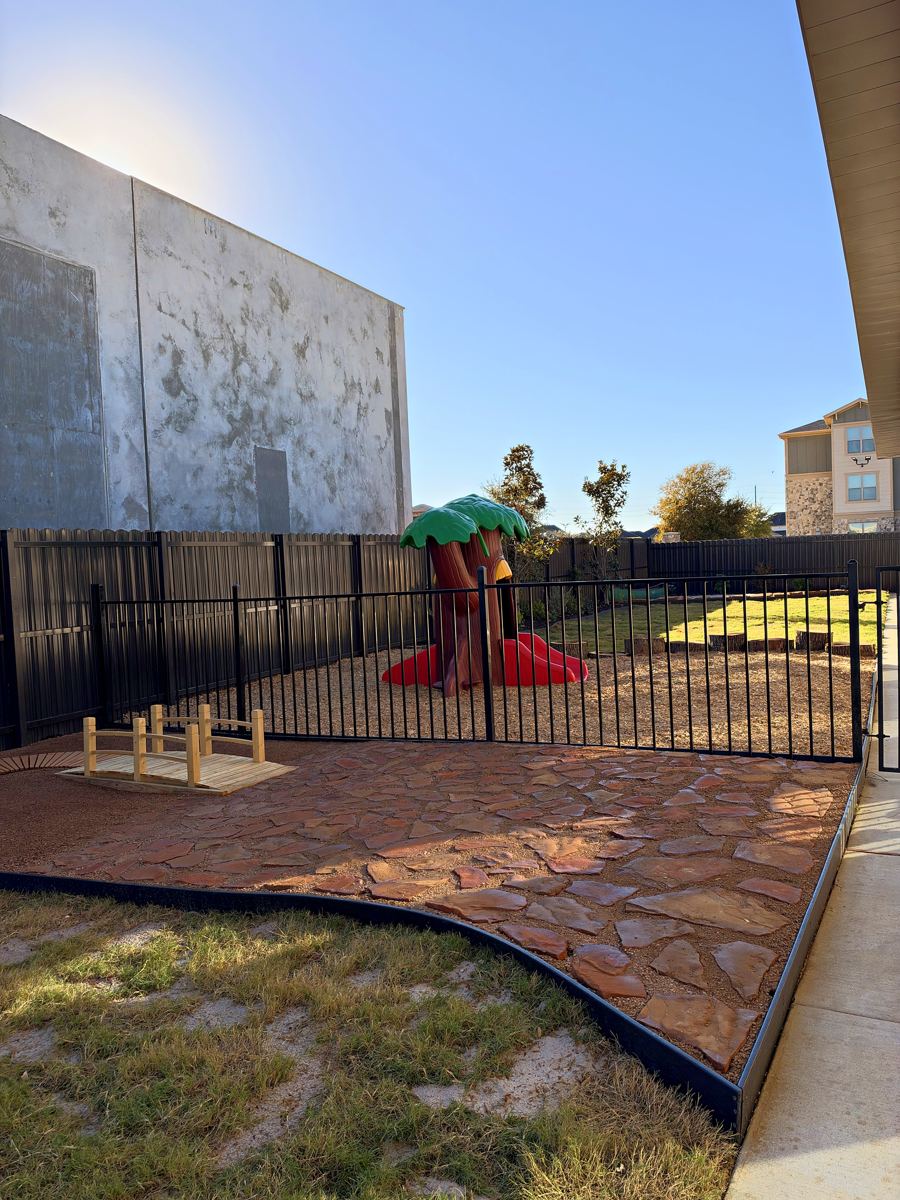
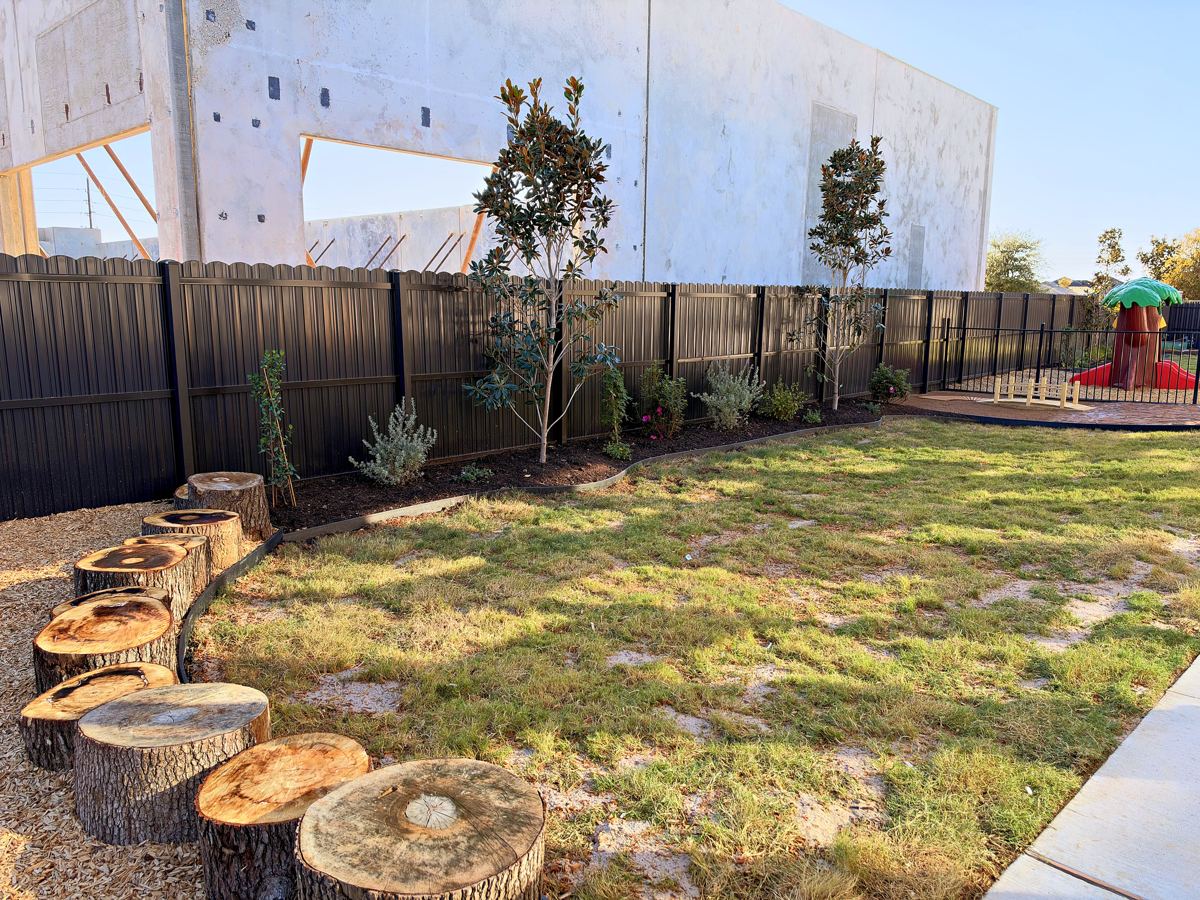
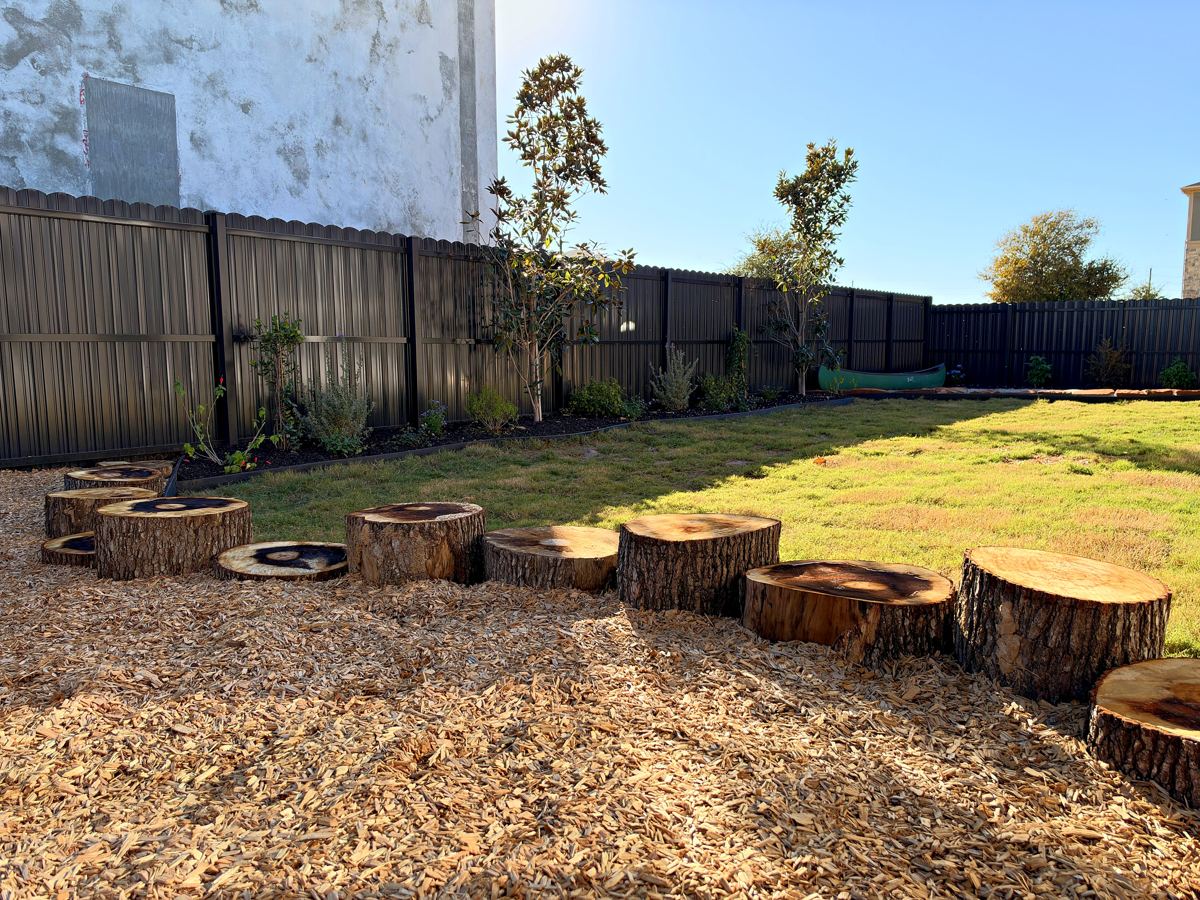
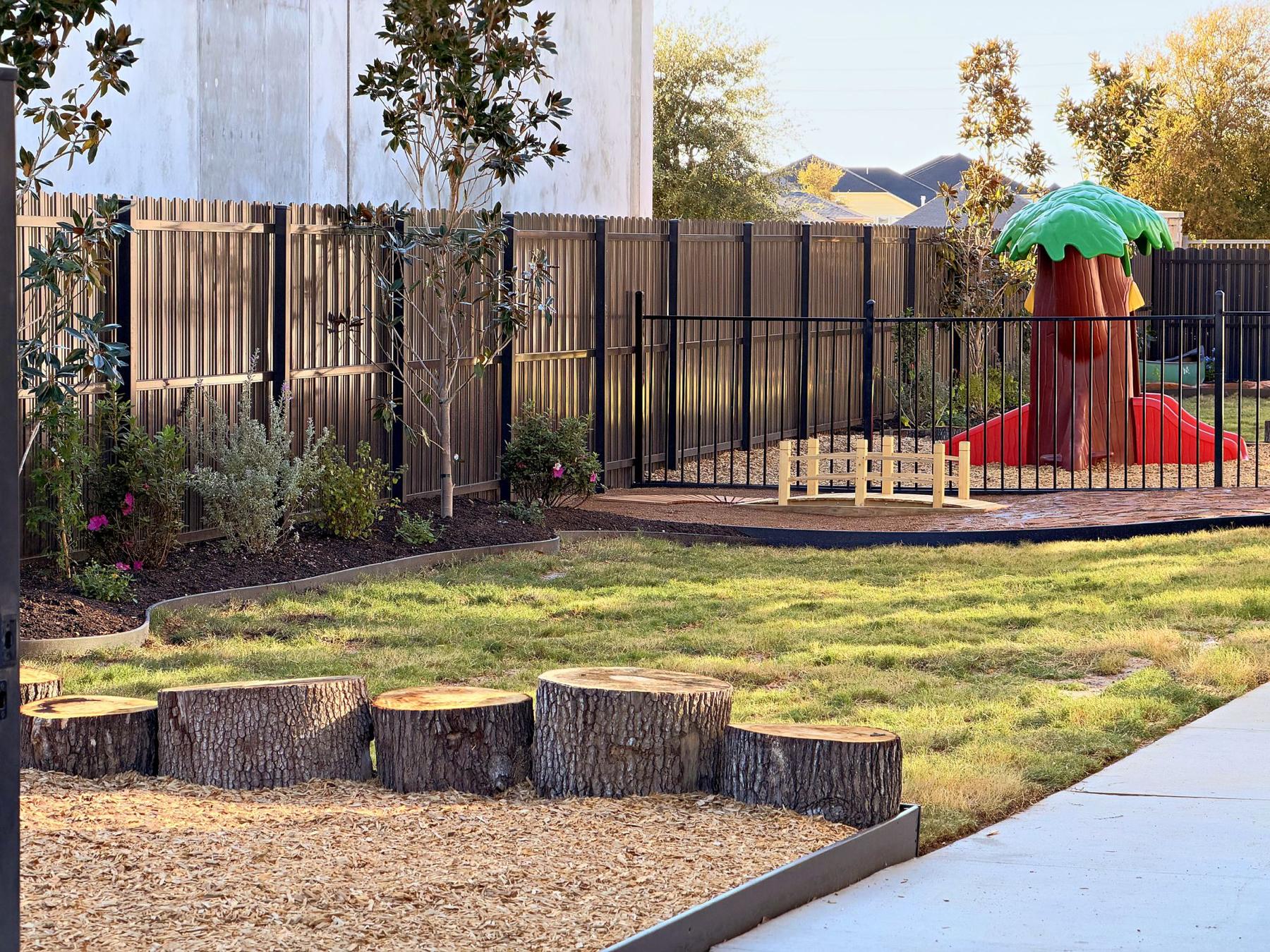
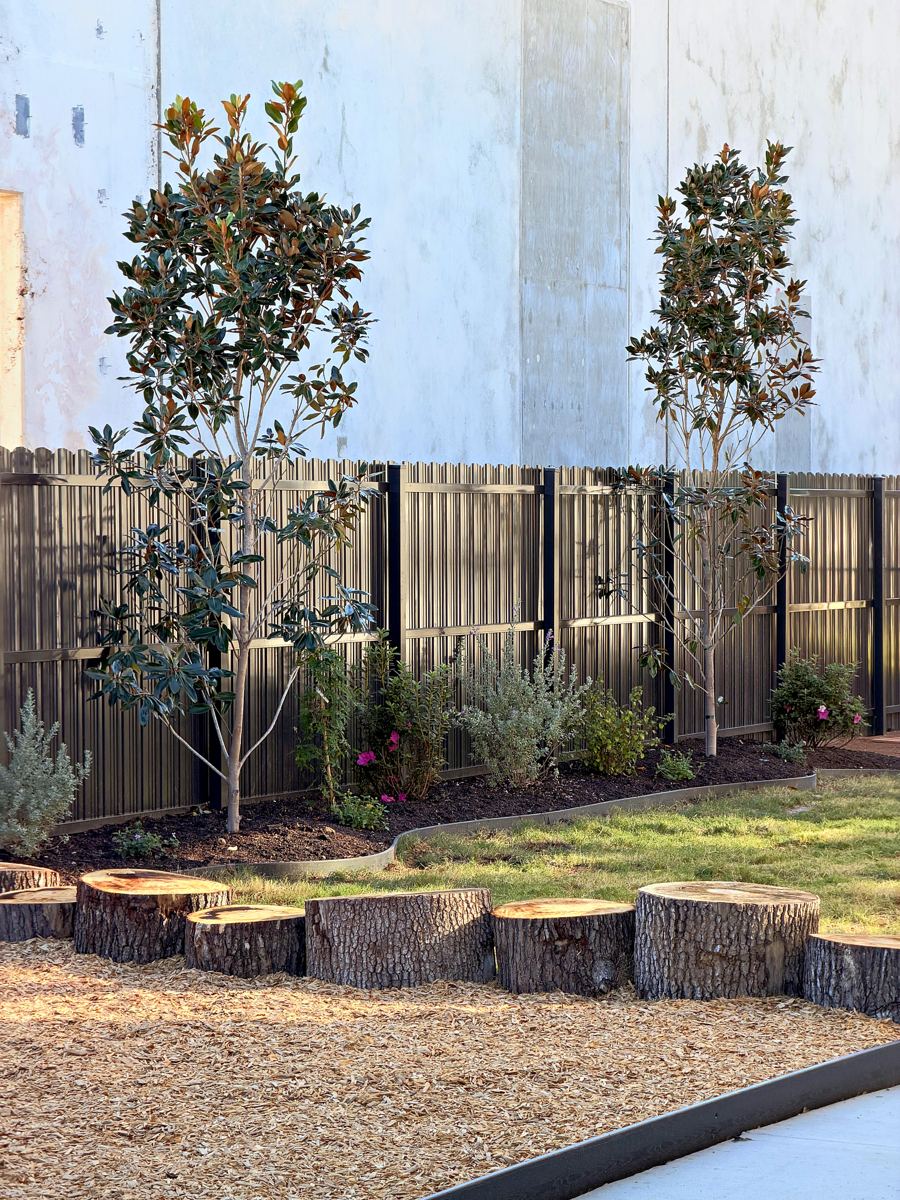
Our own outdoor spaces, ready for January: the play yards, the sand and dry creek, the garden beds, and the stumps and lawn the children will run on.

A sand area and dry creek bed edged with stone
The sand and dry creek
A tree house slide on a fenced deck
The tree house deck
Tree stumps for stepping and climbing beside the lawn
Stumps to climb
A circle of tree stumps on the mulch
A ring of stumps
A lawn with young trees and the tree house beyond
Room to run
Young trees planted along the fence
Young trees, still growing
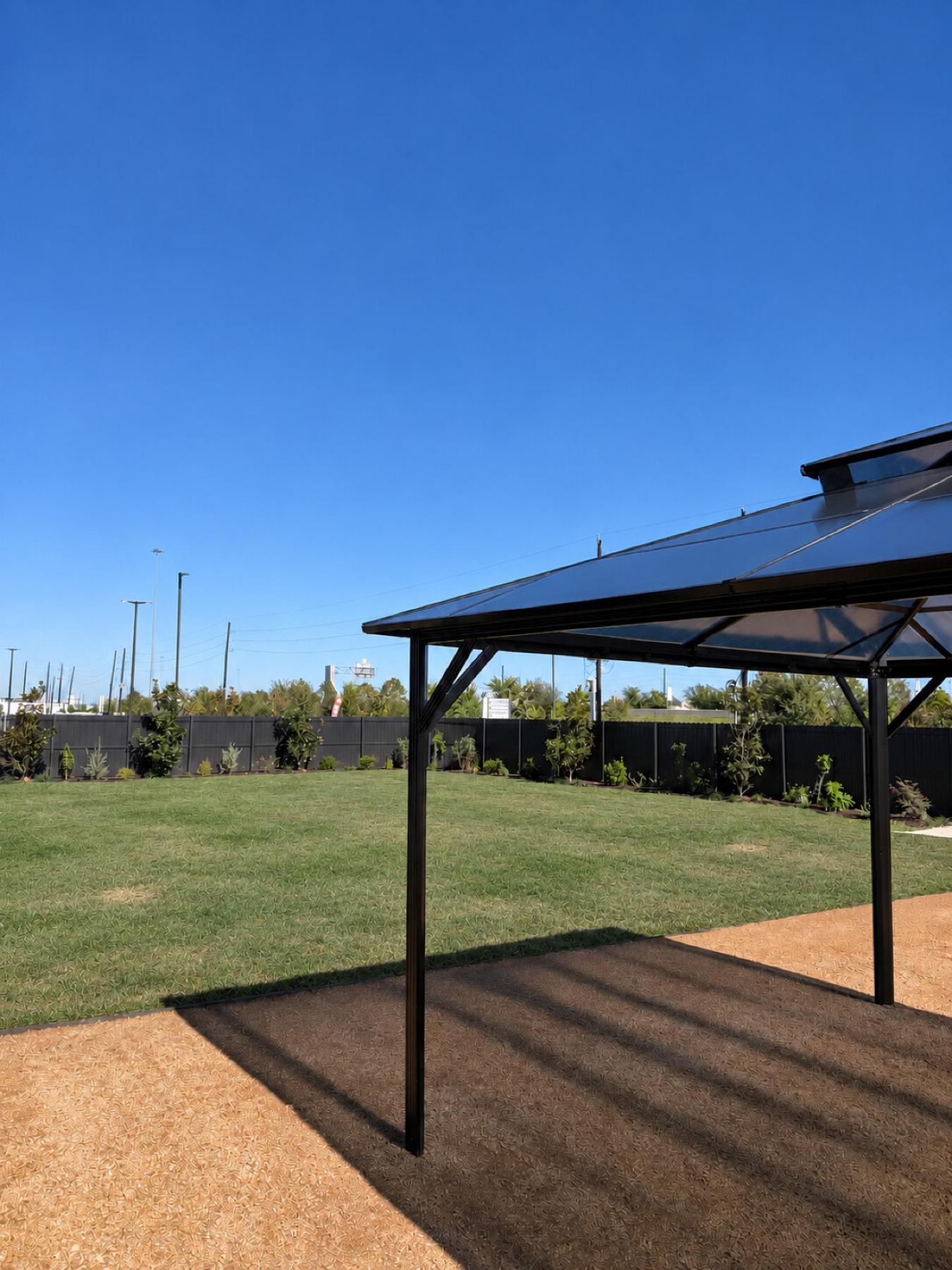
Our shade pavilion at the edge of the big lawn
Shade by the lawn
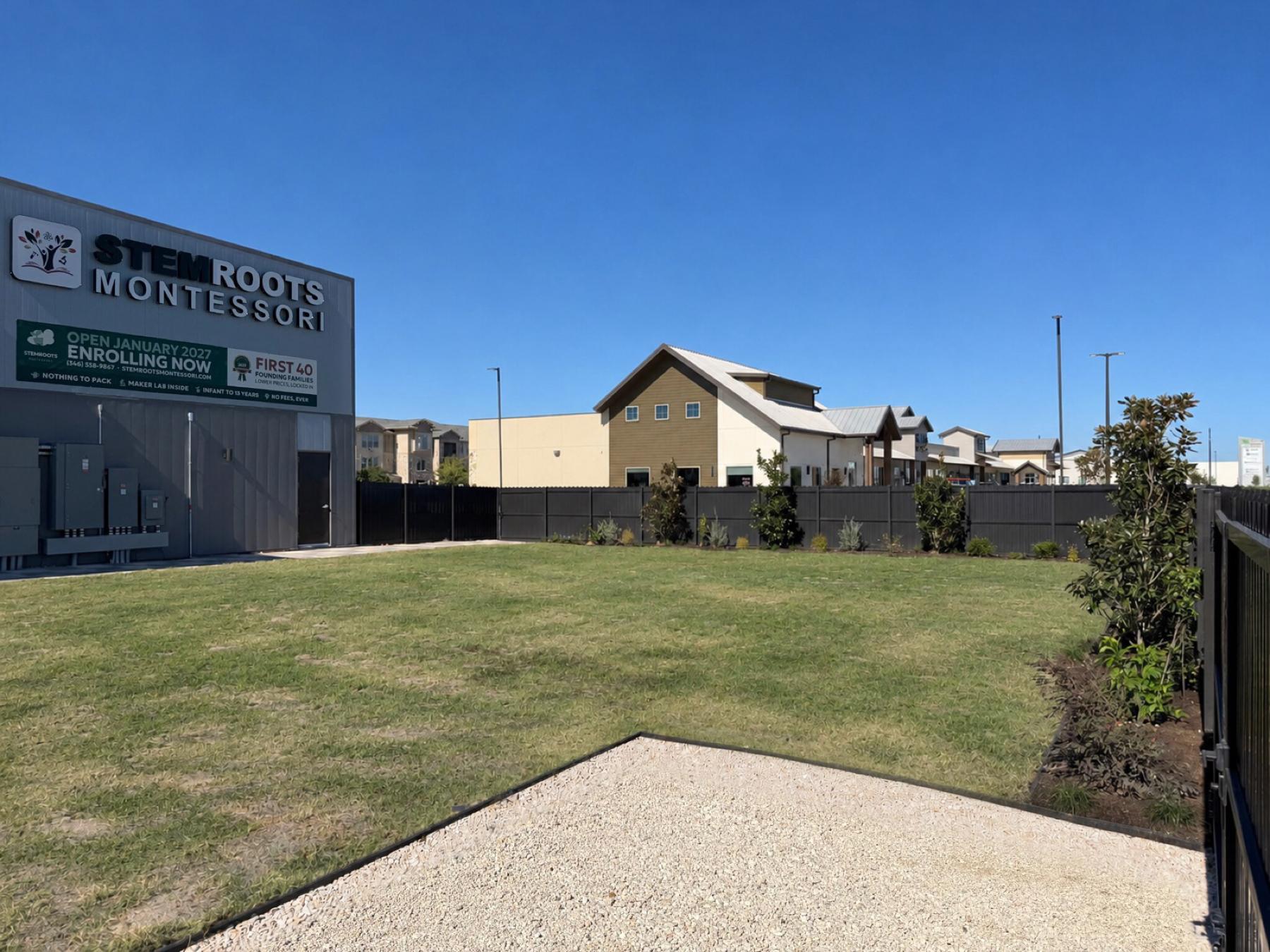
The big lawn beside our building, fenced and planted along the edges
The big lawn

Ask to see the outdoor areas on your visit.

Curious if this could feel like home? Come and see.

A 30-minute tour of the rooms and the garden. Bring your real questions.

Book a tour

Montessori and Labs, down the hall from each other.

Montessori from 6 weeks through Pre-K, after school to 13, and Labs from 4 to 17 (opening 2027), in the same building in Katy.

GrowSTEMROOTS Montessori

Montessori from 6 weeks to Pre‑K, after school to 13. Year‑round.

  1. Infant6 weeks – 18 months
  2. Toddler18 months – 3 years
  3. Preschool & Pre‑KAges 3–5
  4. After schoolAges 5–13
MakeSTEMROOTS Labs ↗

Maker lab, ages 4–17, opening in 2027.

  1. Little LabsAges 4–6
  2. Junior LabsAges 7–9
  3. Maker LabsAges 10–12
  4. Studio LabsAges 13–17

Ages 4–5: Pre-K by day; Little Labs after class once the lab opens in 2027.