
Reading and writing
What we do: letters traced with a finger, then building words with cut-out letters, then writing and reading. What you might notice: letter sounds, first written words, and for many, early reading by kindergarten.
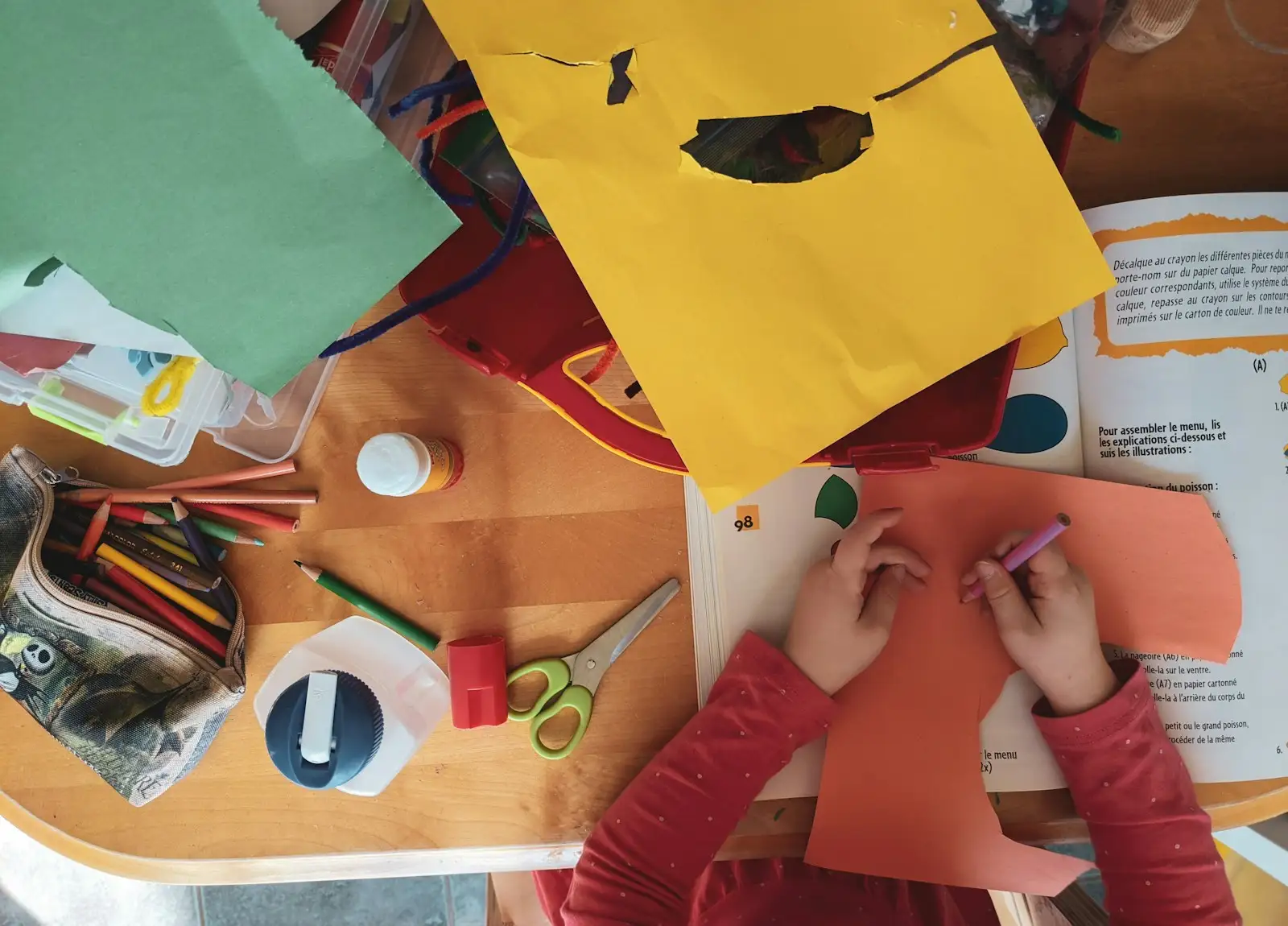
"Why does it float?" "Can I write my name?" "What if we build it taller?" Preschoolers arrive with ideas worth following. We give those ideas time, and add the practice that gets a child ready for kindergarten.
“At that age, a child’s mind is like a sponge, and the most important aspect of Montessori is that no one can teach unless a person has a desire to learn.” Dr. Murad. Curiosity turns into real skill here, in the classroom and in the garden.
Children hold quantity and language in their hands (beads, letters, real materials) before moving to symbols on paper. It sticks because they built it.
Not just letters and numbers: focus, finishing hard work, explaining their thinking and getting along in a group.
In January, threes and fours share Grove 1, and the older children show the younger ones how. As we grow, threes and Pre-K fours get rooms of their own.
The STEMROOTS Labs maker lab down the hall opens in 2027. We’ll share how the 3-to-5s will use it before it opens. Until then, science and building happen in the classroom and the garden.

Children work for long stretches without being interrupted. They work with friends and come back to a question more than once. In January, threes and fours start together in Grove 1; as we grow, threes and Pre-K fours get rooms of their own.
Katy ISD’s free pre-K is for 4-year-olds who meet one of the state’s rules, such as family income, learning English, or a parent in the military. It runs on the school day and the school calendar. Here, Pre-K runs 6:30 to 6, all year, with meals cooked here, in a room built for four-year-olds, and a written readiness report each spring.
A sample day, from drop-off to pickup. The heart of it is a long morning of work the children choose. We’re open 6:30am to 6:00pm, and every hour is included.
Doors open at 6:30. A calm, predictable start: greet a friend, put work away, choose a first activity.
A morning meal from our own kitchen, shared and served by the children themselves.
About three unhurried hours. Children choose reading, math, everyday jobs or hands-on puzzles, and stay with them. Teachers give lessons one-to-one and in small groups.
A self-serve snack table children visit when ready, so the work cycle keeps flowing.
A real question, like “where does the water go?”, leads to digging, measuring and drawing. In the greenhouse and garden: planting, watering, measuring what grew.
A warm meal shared at the table, with conversation and table manners.
Rest for those who need it; quiet reading or independent work for those who don’t.
Group projects, art, the week’s “wonder question,” and science in small groups.
Stories and a short group reflection help children put words to what they discovered.
A second time outside: the garden, the yard and the lawn.
A hot supper at the table, so children go home fed and you have one less meal to manage after work.
A quick talk about the day in person. The work, photos and notes are already in your app.
The long morning matters most. It’s where children learn to focus and finish what they start. Times vary a little by day.



What we do with 3- to 5-year-olds, and what you might start to notice. These describe typical Montessori materials at this age. They aren’t a promise for any one child.
Preschoolers eat what our cook makes here, shared at the table. Family-style meals build independence and conversation.
The monthly menu is posted in the parent app. Any allergy or diet plan is set up with you at enrollment.
See our menu


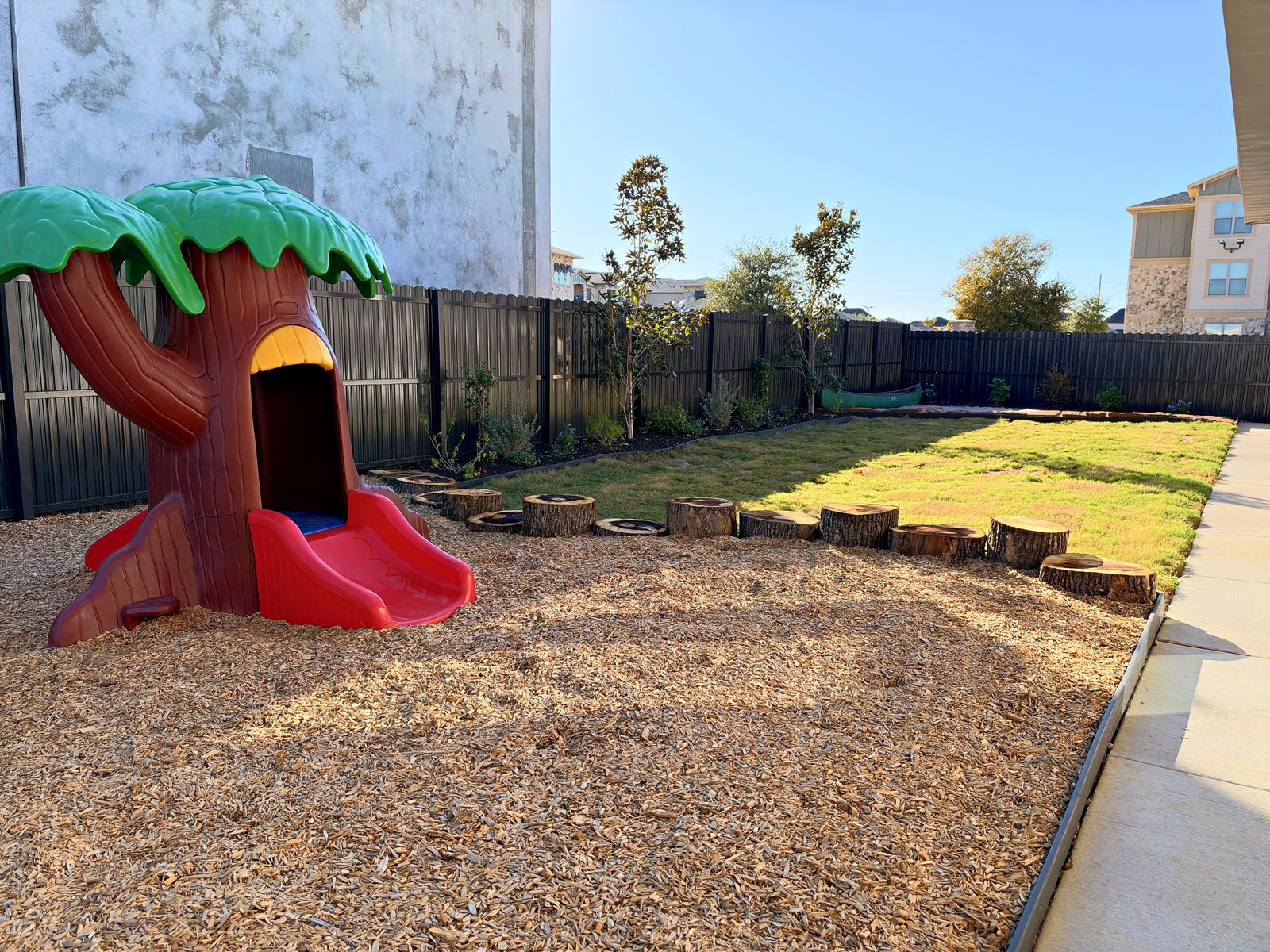
A room full of shared materials and busy hands.
The questions parents ask most about the preschool years.
Readiness here means focus, finishing hard work, explaining their thinking and working in a group. Early reading and math come from hands-on materials. In the spring of the Pre-K year, you get a written readiness report to share with your child’s kindergarten.
About three unhurried hours. Children choose their work and stay with it. The teacher gives lessons one-to-one and in small groups.
Daily photos and notes reach your app in real time. Twice a year, in fall and spring, you get a written progress report and a conference with your child’s teacher.
Our own cook makes every meal here, served family-style. The building is kept free of nuts. The monthly menu is posted in the parent app.
Our after-school program runs to age 13, in the same building, and Pre-K graduates keep their place. STEMROOTS Labs adds classes and camps for ages 4 to 17, with priority and 10% off for our families.
The maker lab room down the hall is built, and STEMROOTS Labs opens in 2027. We’ll share how the 3-to-5s will use it before it opens. Until then, science and building happen in the classroom and the garden.
In January, threes and fours start together in Grove 1, with 1 teacher for every 13 (Texas allows 15 for threes). As we grow, threes get their own rooms at 1 to 13, and Pre-K fours at 1 to 18.
A 30-minute tour of the rooms and the garden. Bring your real questions.
Montessori from 6 weeks through Pre-K, after school to 13, and Labs from 4 to 17 (opening 2027), in the same building in Katy.
Montessori from 6 weeks to Pre‑K, after school to 13. Year‑round.
Maker lab, ages 4–17, opening in 2027.
Ages 4–5: Pre-K by day; Little Labs after class once the lab opens in 2027.
STEMROOTS Montessori
Replies within the hour, 7am to 9pm
Hi, I’m Ms. Pari, one of the founders. Ask me anything: hours, a tour, when your child could start. I’ll text you back from 346-558-9867.


